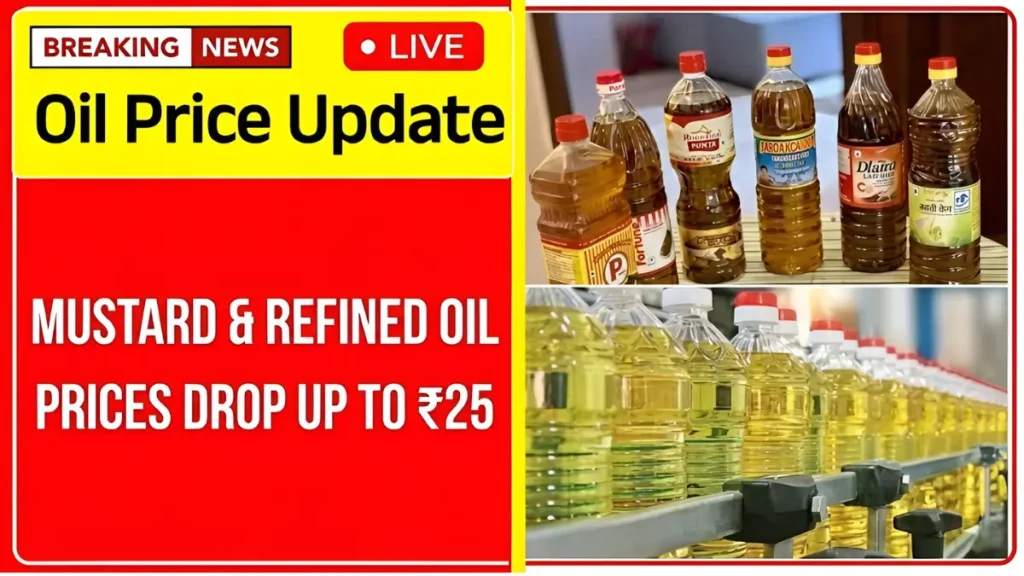
Cooking oil has long been one of the most sensitive items in household budgets, often dictating how families plan their monthly groceries. In 2026, consumers finally have a reason to smile—prices of mustard oil and refined oils have dropped significantly. This decline is not just about cheaper meals; it signals broader economic relief, easing inflationary pressures and giving households more breathing room. Let’s explore how this change is reshaping kitchens, markets, and family budgets.
Mustard Oil Prices Fall
Mustard oil, a favorite in Indian kitchens for its strong flavor and health benefits, has become more affordable. Improved crop yields, better procurement policies, and favorable weather conditions have boosted supply. Traders report that wholesale prices have dropped by nearly 10–12% compared to last year. For households, this means traditional recipes like pickles, curries, and stir-fries can be prepared without worrying about rising costs, making mustard oil a symbol of relief in 2026.
Refined Oils Become Cheaper
Refined oils such as sunflower, soybean, and palm oil have also seen a price correction. Global edible oil markets have stabilized, and import costs have reduced due to favorable trade agreements. Domestic refiners are passing these benefits to consumers, resulting in lower retail prices. Urban households, which rely heavily on refined oils for everyday cooking, are experiencing noticeable savings. This affordability is helping families balance their monthly food budgets more effectively.
Inflation Pressure Eases
Cooking oil prices often act as a barometer for food inflation. With mustard and refined oils becoming cheaper, the overall inflation rate is showing signs of easing. Economists highlight that edible oils contribute significantly to household expenditure, and their decline directly impacts consumer sentiment. Lower oil prices are expected to reduce headline inflation figures, giving policymakers more room to focus on growth-oriented measures rather than firefighting rising costs.
Household Budgets Strengthen
Families across India are already feeling the difference. Grocery bills have shrunk, allowing households to redirect savings toward other essentials like dairy, vegetables, and education. For middle-class and lower-income groups, this change is particularly impactful. The reduced burden of cooking oil expenses means better nutrition choices and improved financial stability. Many households are now able to plan meals more freely without cutting corners due to high oil costs.
Farmers Gain Stability
Interestingly, the decline in oil prices has not hurt farmers. Government procurement programs and minimum support price (MSP) policies have ensured that farmers continue to receive fair returns for their mustard and soybean crops. This balance between consumer affordability and farmer profitability is crucial. By maintaining stability in agricultural incomes, the government has managed to protect rural livelihoods while offering relief to urban consumers.
Market Trends Show Optimism
Analysts predict that cooking oil prices will remain stable in the coming months. Favorable weather conditions, strong crop yields, and steady import flows are expected to keep supply consistent. While commodity markets are always prone to sudden fluctuations, the outlook for 2026 remains positive. Consumers can expect continued affordability, making cooking oil less of a financial burden and more of a reliable kitchen essential.
Key Price Highlights
Here’s a quick snapshot of the current market situation:
| Oil Type | Price Trend 2026 | Key Reason for Drop |
|---|---|---|
| Mustard Oil | Down 10–12% | Strong harvest, MSP support |
| Sunflower Oil | Down 8–10% | Stable imports, trade deals |
| Soybean Oil | Down 7–9% | Better refining margins |
| Palm Oil | Down 6–8% | Global supply stability |
These figures highlight how multiple oil categories are contributing to overall household savings.
Consumer Benefits Explained
Lower cooking oil prices translate into several direct benefits for consumers:
- Reduced grocery bills: Families save more each month.
- Better nutrition choices: Affordable oils encourage healthier cooking.
- Improved financial planning: Extra savings can be redirected to education or healthcare.
- Enhanced consumer confidence: Lower inflation boosts spending sentiment.
These benefits go beyond the kitchen, shaping broader economic behavior.
Policy Support Matters
Government intervention has played a key role in stabilizing prices. Import duty adjustments, MSP programs, and monitoring of hoarding practices have ensured smoother supply chains. By balancing farmer interests with consumer needs, policymakers have managed to create a win-win situation. This proactive approach has prevented extreme volatility, making cooking oil prices more predictable and manageable for households.
Conclusion
The drop in mustard and refined oil prices in 2026 is more than just a market update—it’s a turning point for household budgets and inflation management. Families are enjoying financial relief, farmers are benefiting from stable returns, and policymakers are seeing positive economic signals. If this trend continues, cooking oil will no longer be the inflation villain it once was, but rather a symbol of balance and stability in Indian kitchens.